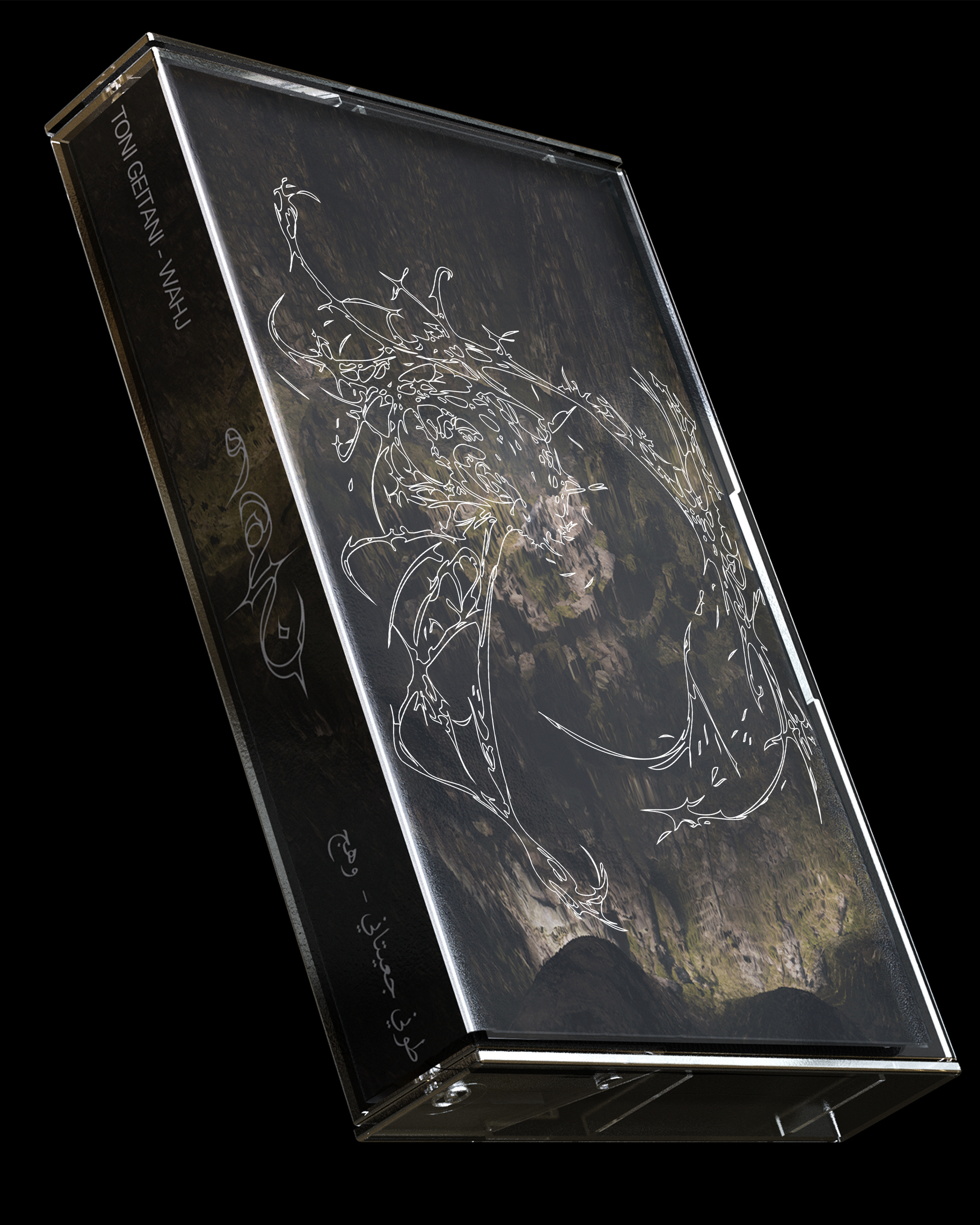
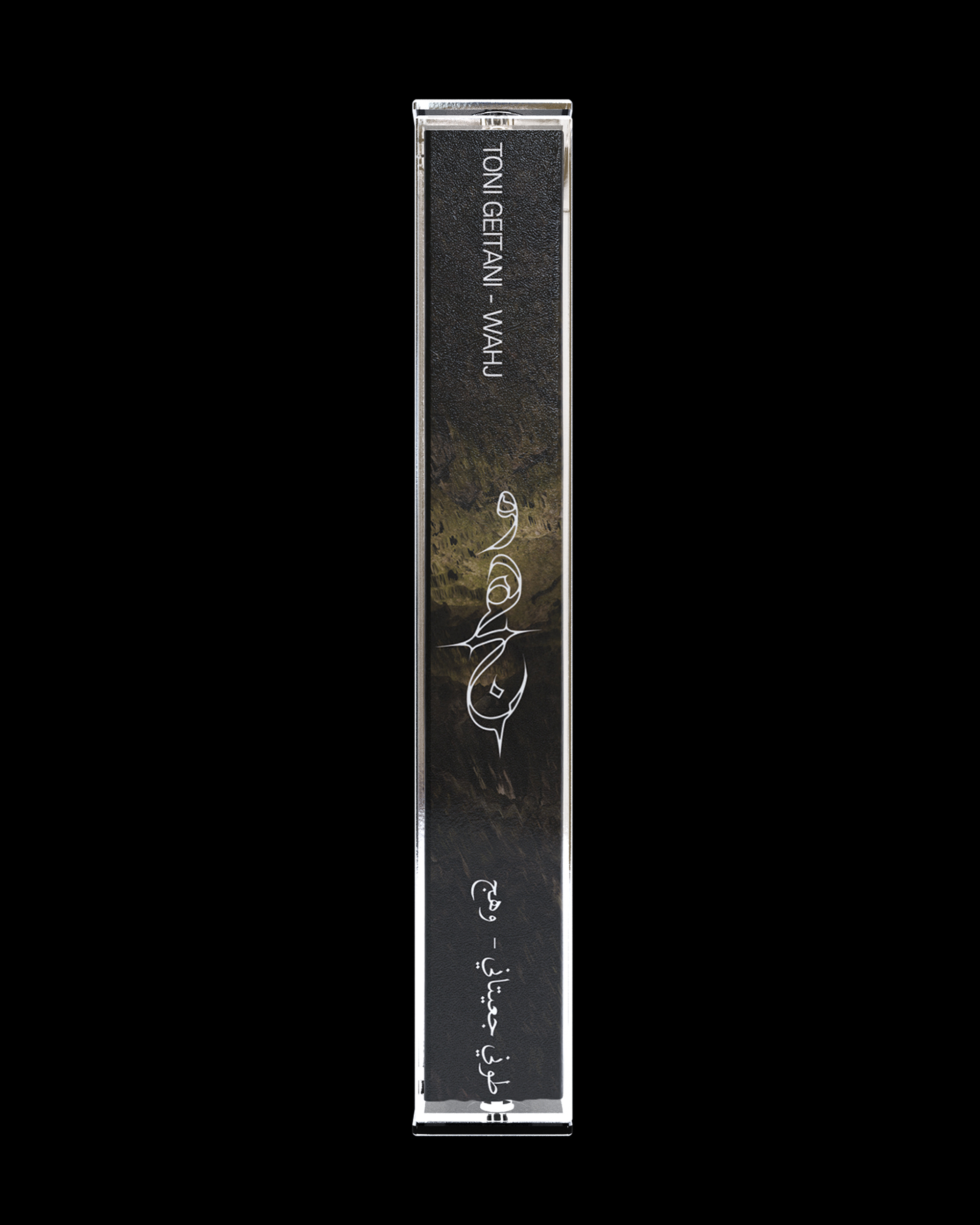
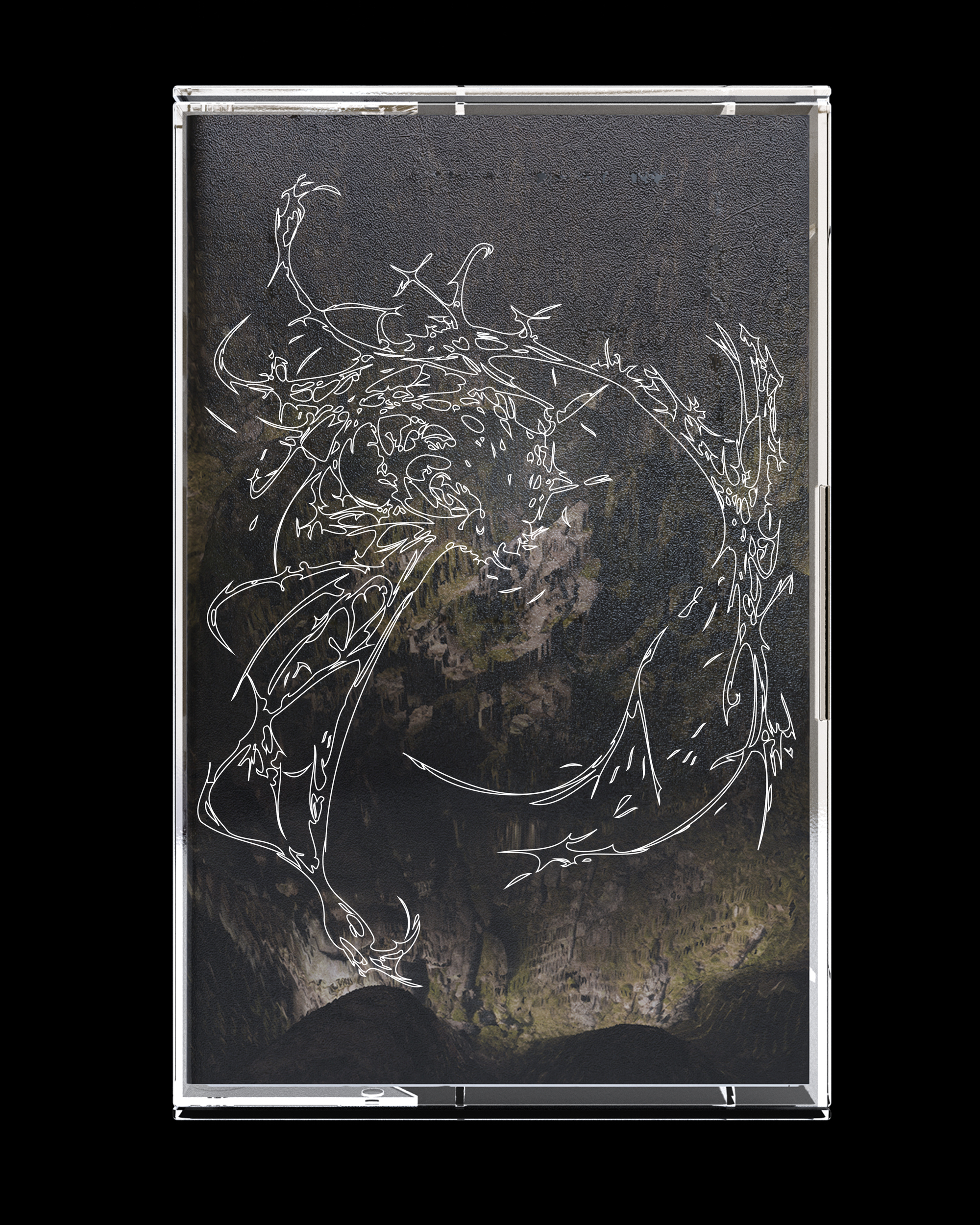
Wahj
A genre-annihilating album transgressing the boundaries of experimental Arabic, electronic, avant-pop, dark ambient, and industrial forms, suspending their influences in a sound that feels adjacent to each yet defined by none. Engaging layālī vocalizations, repurposed regional samples, processed classical instruments, synthesizers, and nonlinear acoustic, analog, and digital rhythms, it opens a sonic language shaped by the sediment of recursive collapse.
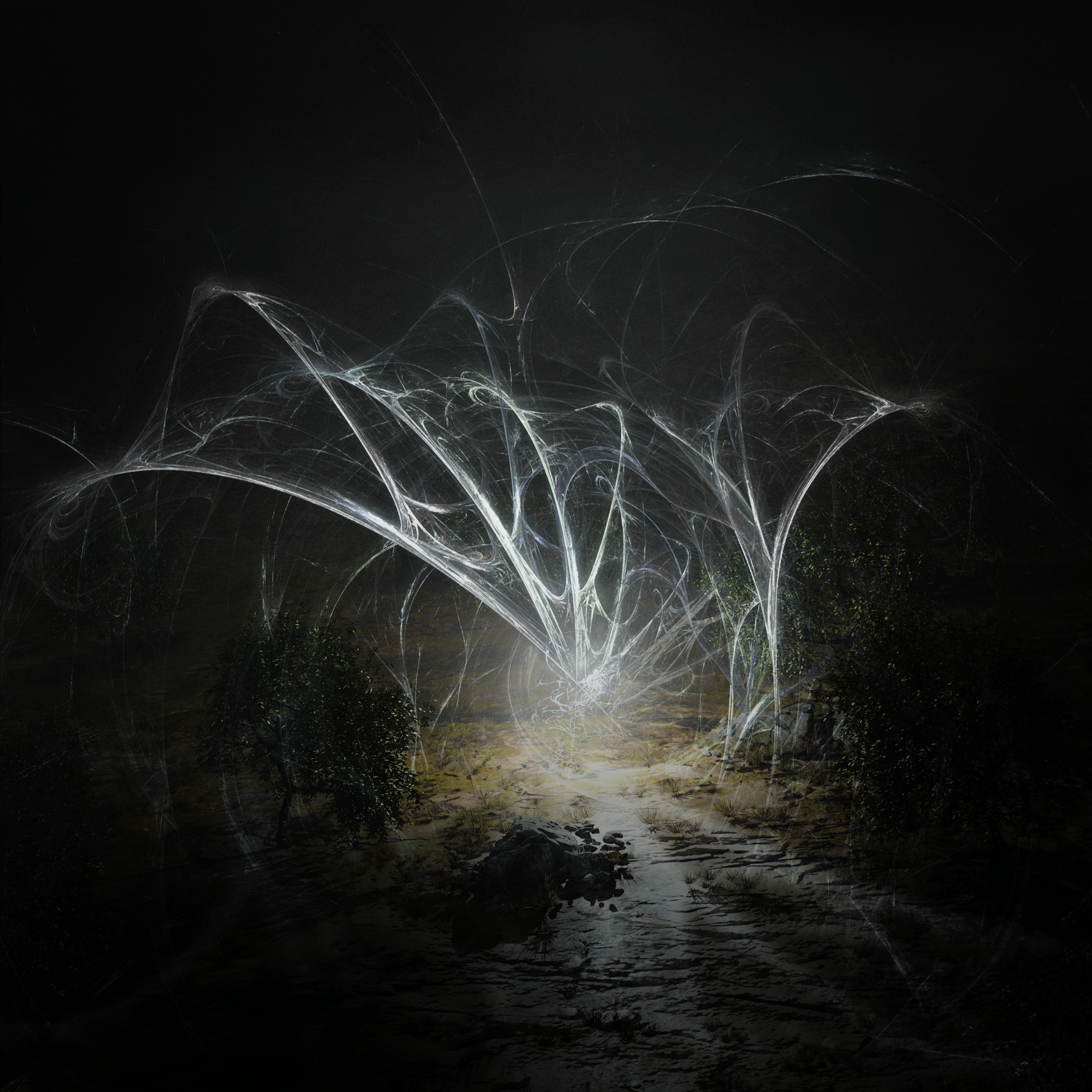
Wahj explores collapse as an enduring condition without being reduced to it, rejecting the notion of defeat and directing attention to what endures within it: resistance, possibility, and hope. Treating collapse as a language, it imagines futures that lie beyond it, focusing on what is often overlooked in the midst of ruin, what survives, thrives, and lingers. It attends to what can awaken the fervor of resistance and the persistence of possibility. In doing so, it turns to Wahj (وهج, radiance) as an evocation of what lies before us yet remains too abstract to grasp. The album invites the listener to look into that light, that radiance, and imagine what possibilities might emerge.
All tracks composed, arranged, performed and produced by Toni Geitani, except track 10 “Tuyoor”, composed, arranged and produced by Toni Geitani and Reeda Fneiche, with vocals by Reeda Fneiche.
All tracks written by Toni Geitani, except tracks 1 “Hal”, 5 “Fajr Al Khamees”, and 7 “Ruwaydan Ruwaydan” written by Reeda Fneiche, track 2 “Ya Sah” written by Cindy Chehab, and track 3 “La” written by Tawūs.
Cello by Nia Ralinova on tracks 1 “Hal”, 9 “Ala Tughanni”, 12 “Shamsuki”, and 15 “Fawqa Al Ghaym”.
Oboe by Ainhoa Pérez Etxepare on tracks 2 “Ya Sah” and 12 “Shamsuki”.
Viola by Giulia Wechsler on track 7 “Ruwaydan Ruwaydan”.
Viola by Bea Alvarez Borque on track 15 “Fawqa Al Ghaym”.
Voice by Diana Kantner on track 15 “Fawqa Al Ghaym”.
Bass by Arin Keshishi on track 16 “Naltaqi”.
Recorded in Amsterdam, 2021–2025.
All tracks mixed by Joe Lirenti at Estúdio Sala Secreta, Suzano, and Nada Importa Records, São Paulo, except track 10 “Tuyoor” mixed by Shahin Entezami, and track 14 “ta’Xud II” mixed by Toni Geitani.
Mastered by Adam Haggar at Mount Olympia Mastering, New Jersey.
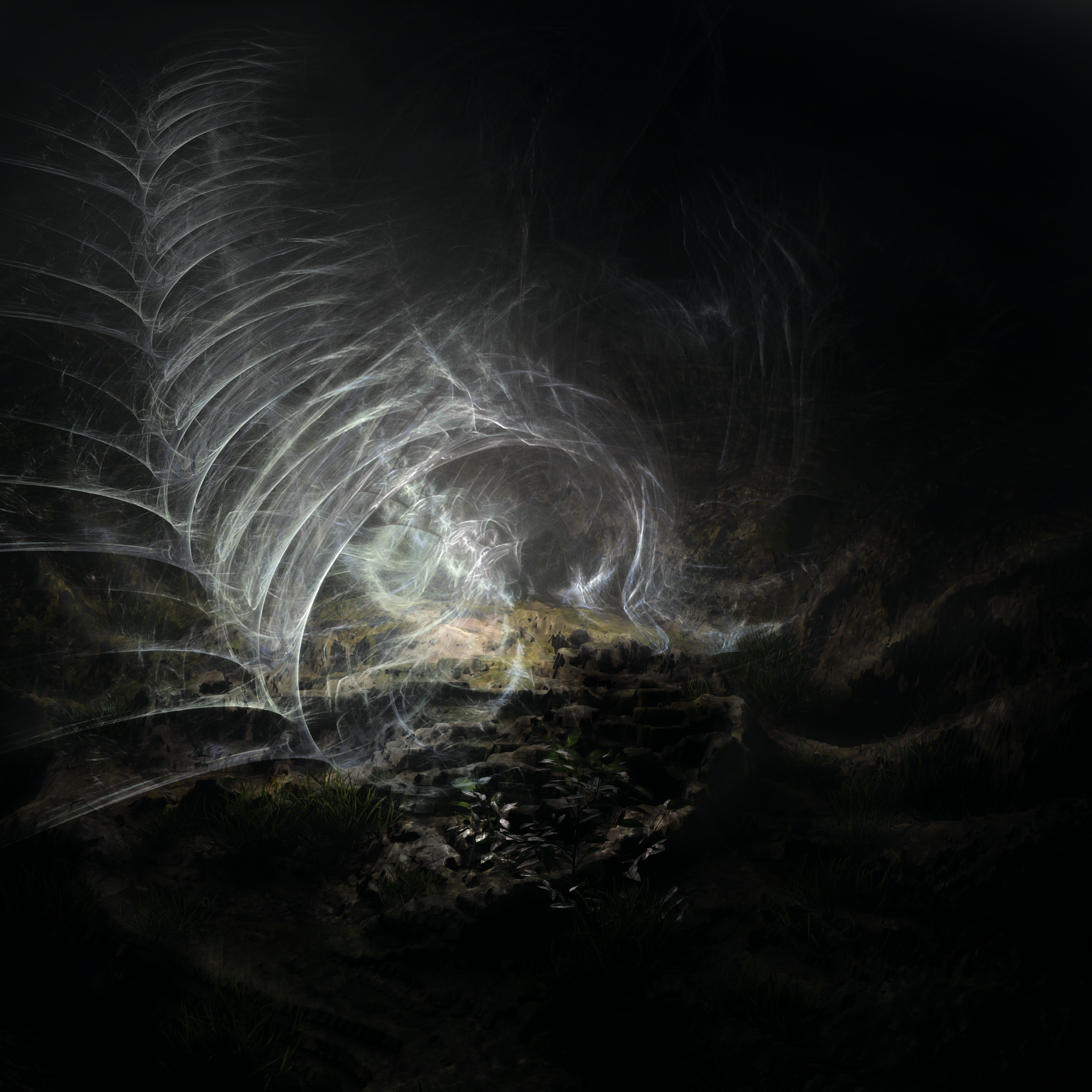
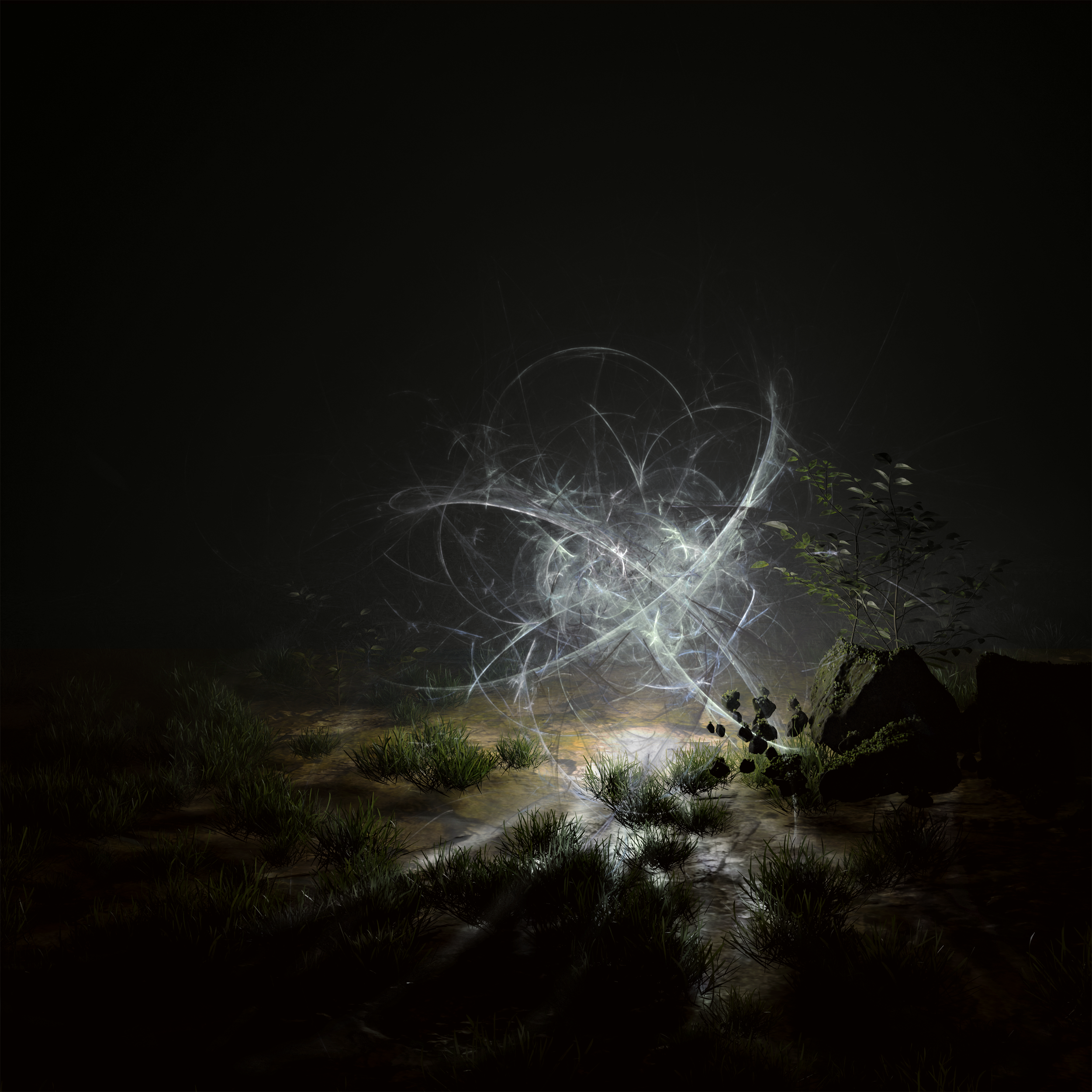
Artwork and design by Ali Hassan.
Special thanks to Reeda Fneiche, Assaad Geitani, Bernadette Geitani, Maria Geitani, Sara Tello, Jad Youssef, Maggie Doueihi, Marina Tebechrani, Karim Shams Eddine, Hinda Fneish, Fuad Halwani, Hudson Knott, and Ziad Nawfal.
Funded by Culture Resource and Amarte Fonds.